Framing Your Needlework


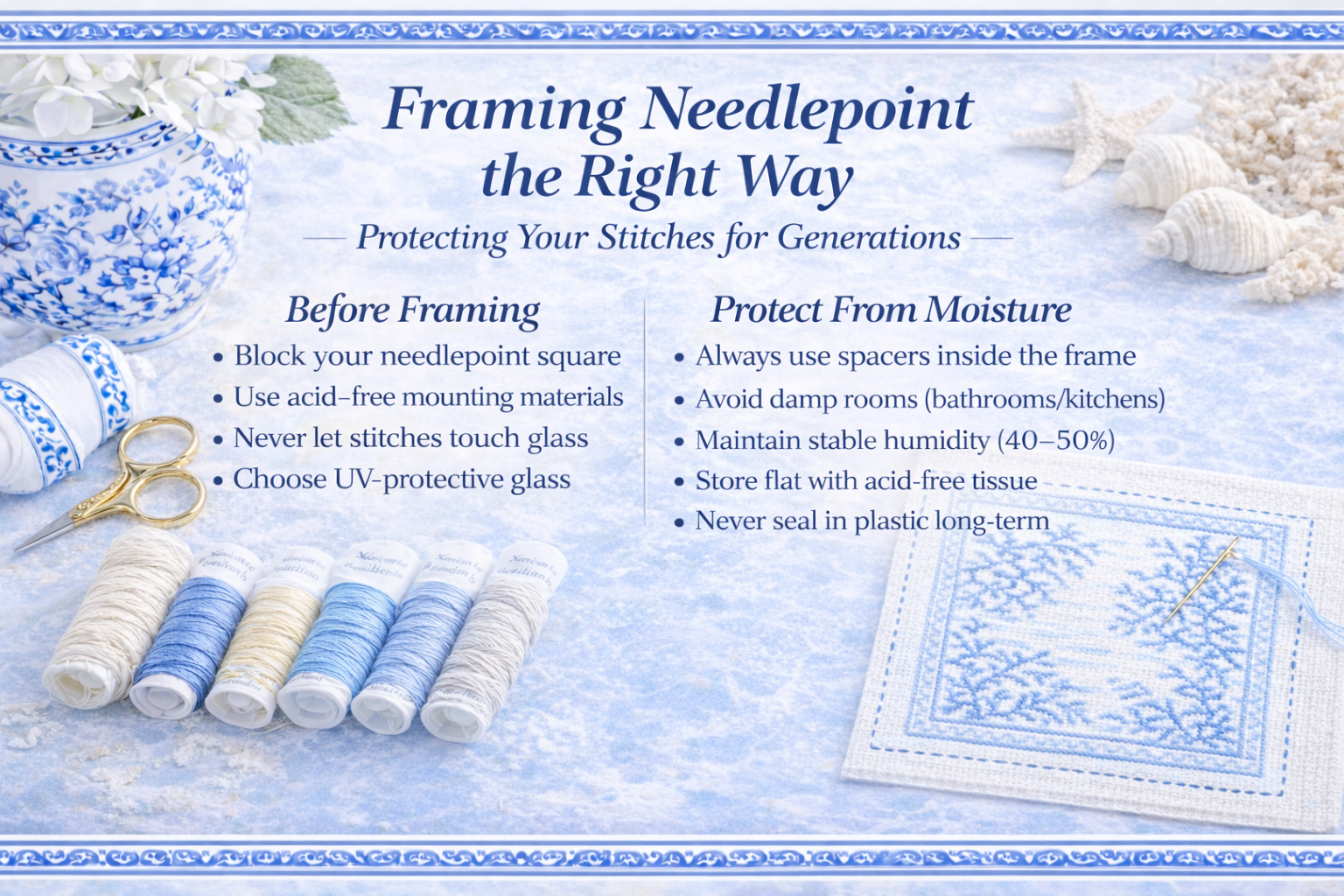
Framing your finished needlepoint is one of the most rewarding steps in the entire stitching journey. Whether it’s a 4×4 coastal ornament, a Nantucket-style eyeglass case insert, or a statement pillow front you want preserved forever — proper framing protects your work and turns it into art.
But framing under glass must be done correctly.
Let’s walk through it the BeeBee way.
Before anything touches a frame, your piece must be properly blocked.
Needlepoint can shift while stitching — especially on 13 or 14 mesh — and blocking ensures your design is perfectly square and crisp. A professional finisher can do this, or you can lightly dampen and pin it to blocking boards yourself.
Never frame a warped canvas. Ever.
If you remember one thing from this post, let it be this:
Your needlepoint should NEVER touch the glass.
When fabric rests directly against glass, condensation can form — even in climate-controlled homes. Over time, this trapped moisture can cause:
Spacers create a small air gap between the needlepoint and the glass. They are usually thin strips hidden inside the frame under the mat. Some framers automatically include them — some do not.
Always ask.
This small detail protects your piece for decades.
Not all glass is created equal.
For heirloom pieces, consider:
If your needlepoint includes silk threads, specialty fibers, or hand-painted details, UV protection is especially important.
Sunlight is beautiful. It is also ruthless.
Humidity is the quiet villain of textile art.
Needlepoint is made from natural fibers — cotton, wool, silk — which absorb moisture. In high humidity environments, this can lead to mildew growth.
To prevent issues:
If you live in coastal or humid areas, this is especially important.
Moisture damage is preventable. Once mildew sets in, it’s heartbreaking.
The back of your framed needlepoint matters too.
Use acid-free backing materials and dust covers. This prevents:
A properly sealed frame keeps your piece clean and stable long term.
Sometimes you rotate decor seasonally. Or maybe you’ve stitched faster than you can frame (we’ve all been there 😉).
Here’s how to store safely:
Textiles need airflow. Plastic traps moisture.
Your needlepoint isn’t just decor.
It’s hours of stitching.
It’s quiet mornings.
It’s thread pulled through canvas one stitch at a time.
Framing it correctly ensures your work lasts for generations.
Take the extra step. Ask for spacers. Protect against moisture. Use conservation materials.
Because beautiful things deserve to stay beautiful.

At BeeBee Designs, needlepoint is more than a pastime—it’s a pause. A return to slow beauty, thoughtful color, and craftsmanship. Your stitching space should reflect that same feeling: serene, intentional, and quietly beautiful.
If you’re dreaming of a cozy needlepoint corner with chinoiserie elegance and coastal ease, here’s how to create a setup that invites you to sit, stitch, and stay awhile.
Your chair sets the tone—and the posture.
Good light is essential—but harsh lighting breaks the mood.The ideal setup:
Choose warm daylight bulbs that illuminate your canvas without washing out colors.
Stitching should feel effortless, not tiring.

Using a stand or stretcher bars:
Practical tools disappear beautifully into a well-designed space.
A tidy setup keeps the stitching peaceful. Keep within reach:
A small lacquered tray or rattan table works perfectly in a coastal-chinoiserie setting.
One project at a time—always.

We recommend:
Organization doesn’t have to be utilitarian—it can be beautiful.
This is where the space becomes irresistible.
Add:
Needlepoint pairs best with quiet comforts.
A beautiful needlepoint space doesn’t need to be large or elaborate. It simply needs to support your creativity and reflect your style. When comfort meets intention, stitching becomes a joy you return to again and again.
Slow down. Stitch beautifully.
And make space for what you love. 🪡💙



Hello and welcome — I’m so glad you’re here.
If you love needlepoint the way I do — the rhythm of the stitches, the feel of thread gliding across canvas, the quiet joy of watching a design come to life — then you’re in the right place.
I’m the designer behind BeeBee Designs, and this space was created to celebrate all things needlepoint: the canvases, the stitches, the threads, and the simple pleasure of slowing down and making something beautiful with your hands.
Needlepoint has always felt like home to me. There’s something grounding about it — a craft that invites patience, creativity, and just enough structure to let your imagination roam. Over time, that love grew into designing my own canvases and patterns, inspired by classic Southern style, coastal charm, chinoiserie blues, and timeless motifs that feel both fresh and familiar.
What started as a personal passion has grown into a collection of designs meant to be stitched, enjoyed, gifted, and cherished.
This blog is meant to be a welcoming place — whether you’re brand new to needlepoint or have stitched more than a few projects over the years.
Here’s what you can expect:
Down the road, I plan to add videos — showing stitches in action, talking through designs, and sharing behind-the-scenes glimpses into my creative process. For now, this blog will focus on thoughtful posts, detailed visuals, and clear explanations you can return to anytime.
Think of it as a growing reference library — part inspiration, part education, part friendly conversation over sweet tea.
Needlepoint isn’t just about the finished piece. It’s about the time spent stitching, the calm it brings, and the story woven into every thread. My hope is that this website becomes a place you return to for ideas, confidence, and a little creative spark when you need it.
Thank you for being here and supporting independent design and the art of making things slowly and beautifully.
Now — let’s stitch something lovely.
Warmly,
Billie
BeeBee Designs

This year I’ve been busy creating designs, both digital and printable. What funMs BeeBee Designs.Please check it out 


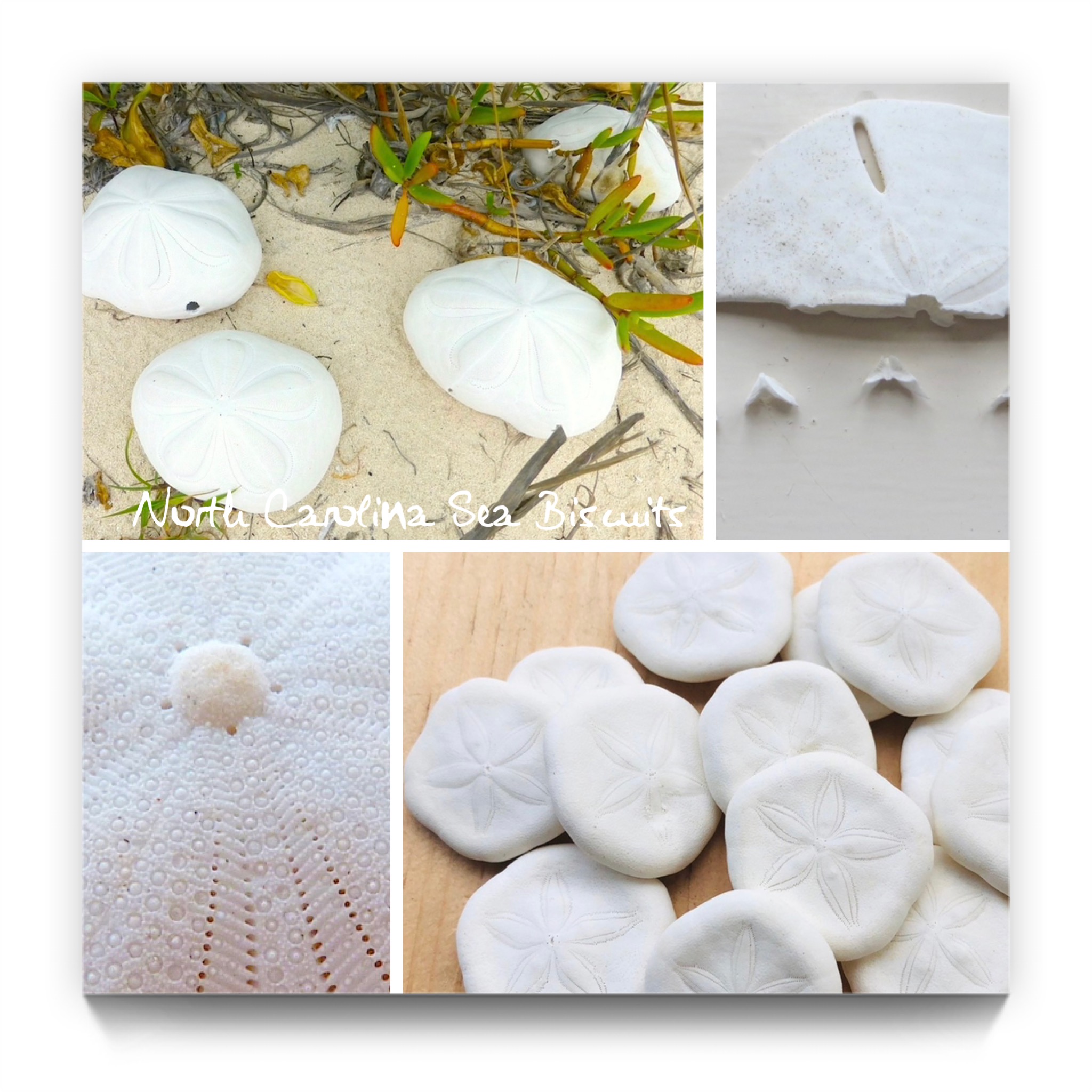
Tourists come to visit and love to comb the beaches for sea treasures. Certain times of the year, sand dollars and sea biscuits wash ashore. Although the sand dollar and sea biscuit fall under the same family, they are quite different in shape and size. i get asked what is this called? Is this a Shell? Is it an animal? Id like to share some of the differences of each.
*The Distinction Between Sand Dollars and Sea Biscuits: Exploring Their Unique Characteristics and Environments**
Physical Differences:
Sand dollars are flat and round, resembling small, smooth discs that typically measure between 2 to 4 inches in diameter. In contrast, sea biscuits have a thicker, dome-like shape and can grow up to 5 inches across.
Habitats:
Sand dollars typically inhabit shallow, sandy, or muddy bottoms along coastal areas. Sea biscuits, on the other hand, favor slightly deeper waters while also enjoying sandy ocean floors.
Classification:
Both sand dollars and sea biscuits are part of the echinoderm phylum and fall under the class Echinoidea. Sand dollars are mainly found in genera such as Dendraster and Echinarachnius, while sea biscuits are usually classified under the genus Clypeaster.
Behavior and Ecology:
Sand dollars feed on tiny particles like plankton and bacteria, using their small spines to guide food toward their mouths. In contrast, sea biscuits consume algae and organic matter, utilizing their larger spines to sift through the sediment. Both of these fascinating creatures reproduce through external fertilization, releasing eggs and sperm into the surrounding water.
Conservation and Human Interaction:
These creatures are popular among collectors, which can have a negative impact on their populations. Conservation efforts aim to address this issue by establishing marine protected areas and implementing regulations on the collection of these marine animals.
Sea Biscuits:
Sea biscuits, often referred to as “sea cookies,” embody a profound connection to the ocean and its wealth. They serve as a reminder of the rich marine life and the stunning beauty of coastal environments. The thicker, sturdier structure of sea biscuits also symbolizes strength and resilience, showcasing their ability to withstand strong currents. In various cultures, sea biscuits are seen as harbingers of good luck and protection, often kept as talismans that bring positive energy.
Using treasures from the sea, I create prints and decor that can be used in a coastal theme. Sea Biscuit Napkin Rings

I just love the way they bring a tablescape to life . I hope this little article has helped in your knowledge of coastal finds.
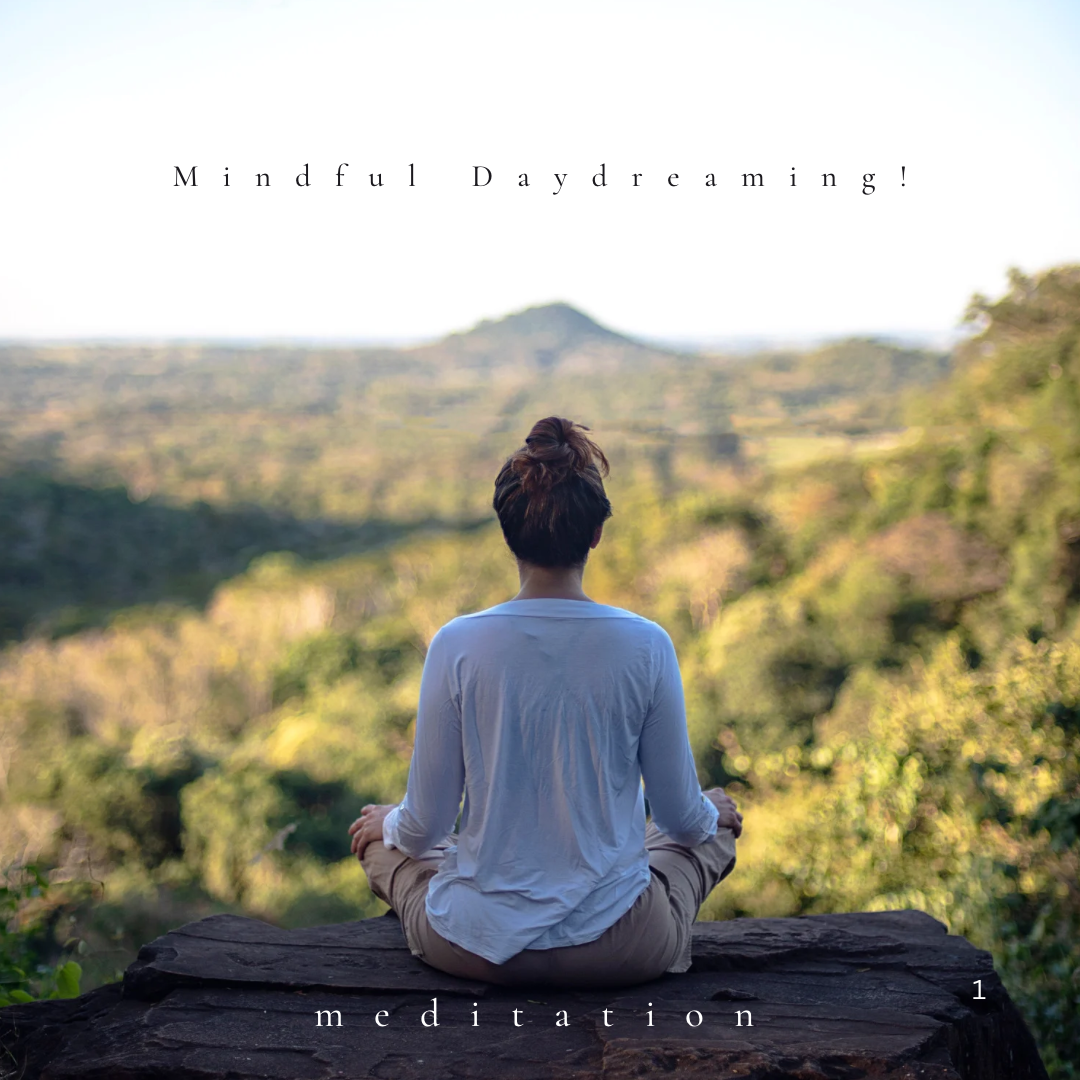
When it comes to finding your zen, breathing and meditation are like the dynamic duo of relaxation. While they might seem similar, they each have their own vibe and benefits.
Breathing techniques are all about harnessing the power of your breath to calm your mind and body. Whether it’s deep belly breathing or the quick and energizing breath of fire, these techniques can help you reset in just a few minutes—perfect for those hectic days when you need a little pick-me-up.
On the flip side, meditation takes things a step further by encouraging you to dive deep into stillness and mindfulness. It’s not just about focusing on your breath; it’s about creating space in your mind to let go of thoughts and simply be present. You can meditate while focusing on your breath or even with guided imagery—whatever floats your boat!
So whether you’re looking for a quick fix with some breathing exercises or ready to settle into a longer meditation session, both practices offer fantastic tools for enhancing your well-being. Why not mix them up? A few minutes of deep breathing followed by some quiet reflection could be just what you need!
Different techniques I use
Meditation: Like breathwork, meditation focuses on mindfulness and can help calm the mind and body1.
Yoga: Combines physical postures, breathing exercises, and meditation to promote relaxation and reduce stress.
Progressive Muscle Relaxation: Involves tensing and then slowly relaxing different muscle groups in the body to reduce physical tension and stress.
Guided Imagery: Uses visualization techniques to help you imagine a peaceful scene, which can promote relaxation.
Tai Chi: A form of gentle exercise that combines slow, deliberate movements with deep breathing and meditation.
Somatic Exercises: These involve paying attention to bodily sensations and moving in ways that help release tension, such as shaking, tapping, or dancing. (this is a fun one also)
Mindfulness Practices: Techniques like body scanning, where you focus on different parts of your body and notice any sensations, can help ground you in the present moment.
Standing grounded is the key. Breathe with gratitude.
Visuals are helpful in reminding us to breathe and keeping gratitude during the everyday tasks we do. You might enjoy this Seaglass Print . Click the link below

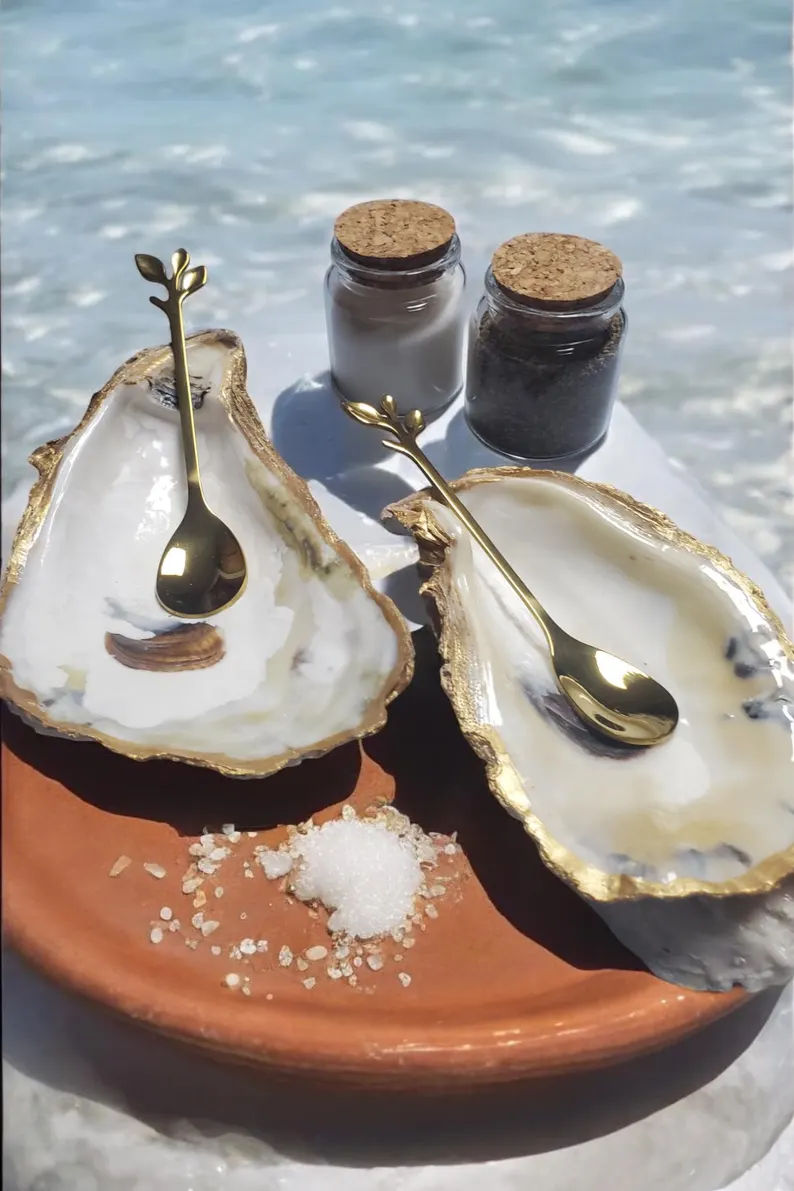
The serving shells are available at
Food safe oyster shell serving dish for butter and cocktail sauce. Salt and pepper.
Packaged boxed with salt and pepper bottles plus serving spoons. Great homewarming, wedding,unique gift.
Each set is ready is packaged and ready for gifting. The oyster shells are from North Carolina. While you are enjoying the beauty of oyster shells, take time to read alittle history about North Carolina Oysters
Fishing was and is a way of life for the islanders, deeply rooted in their history and traditions.
As as the demand for oysters grew, so did the number of outsiders looking to exploit the precious resource. The government survey was just the beginning, a seemingly innocent act that quickly turned sour. The off-islanders saw an opportunity to seize control of the oyster beds, ignoring the long-established rights of the Ocracokers.
Faced with this threat, the islanders banded together, a small but determined force ready to defend their livelihood and way of life. The conflict escalated rapidly, with acts of piracy and attempted murder shocking the quiet streets of New Bern. The stakes were high, not just for the Ocracokers, but for the preservation of an entire fishery and the delicate balance of the ecosystem.
As news of the conflict spread, it drew attention from all corners. Concerned citizens, environmentalists, and even some sympathetic government officials joined forces with the Ocracokers, recognizing the importance of protecting this endangered fishery. The battle for control of the oyster beds became a symbol of the fight against greed and exploitation.
In the end, the conflict was resolved through diplomacy and legal means, rather than through bloodshed. The Ocracokers’ rights were upheld, and stricter regulations were put in place to protect the oyster beds from overharvesting. It was a victory not just for the islanders, but for the future of sustainable fishing practices.
Today, the oyster beds of Ocracoke Island stand as a testament to the resilience and determination of a small community. Visitors come from far and wide to savor the taste of those crisp and briny eastern oysters, knowing that each bite represents a triumph over adversity. The story of the oyster wars may be a footnote in history, but its significance echoes through the generations, reminding us of the importance of preserving our natural resources and standing up for what we believe in.
For more indepth information about the North Carolina Oyster War, please visit North Carolina Oyster War
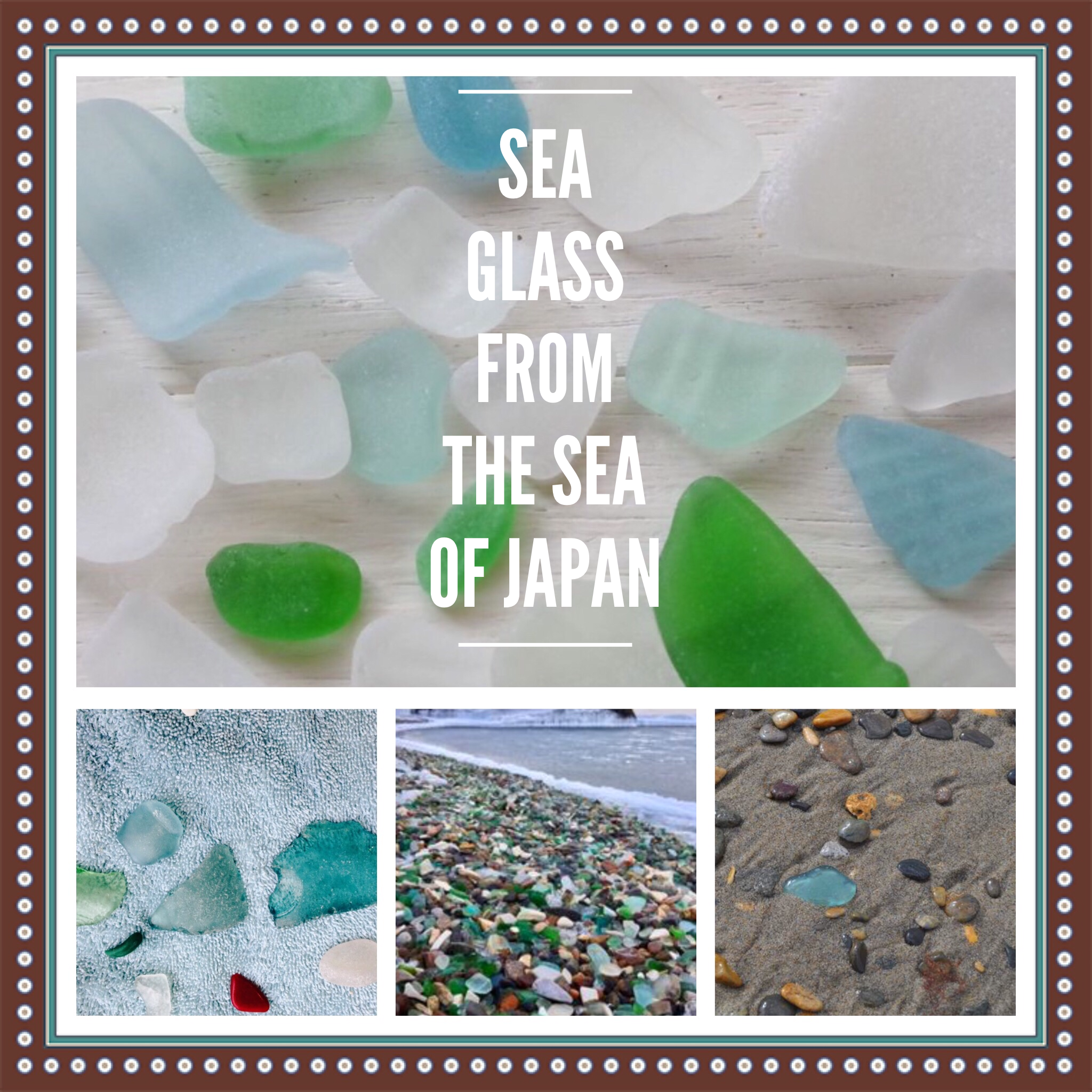
Visiting the Island of Okinawa, Japan for the first time…I first heard of sea glass. I searched the Internet and discovered all about it and how addicting it can be searching for it! I spent five days on the beach and began a new hobby! I lost count how many hours and times I went to several different beaches. I soon had a good start on my collection! I discovered that there are a lot of brown pieces, probably beer bottles. I also discovered lots of white or clear frosted pieces as well. I found emerald green and lime green pieces, but they were mostly tiny pieces. I also found a couple pieces of cobalt blue….my greatest finds were one purple, and one yellow piece. It’s hard to believe how excited one gets during their search and find! One important note…I quickly discovered the difference between an unseasoned and seasoned piece of sea glass! I actually felt like I was saving pieces for future sea glass hunters by throwing the unseasoned pieces back into the sea! Both of the beaches I mentioned are safe park beaches with lots of shells, corral, and sea glass…although Torii Beach is on an Army Military Base…you would have to have access to visiting this beach. These are both located on the Southern West Coast of Okinawa….otherwise known as the East China Sea. Happy hunting!

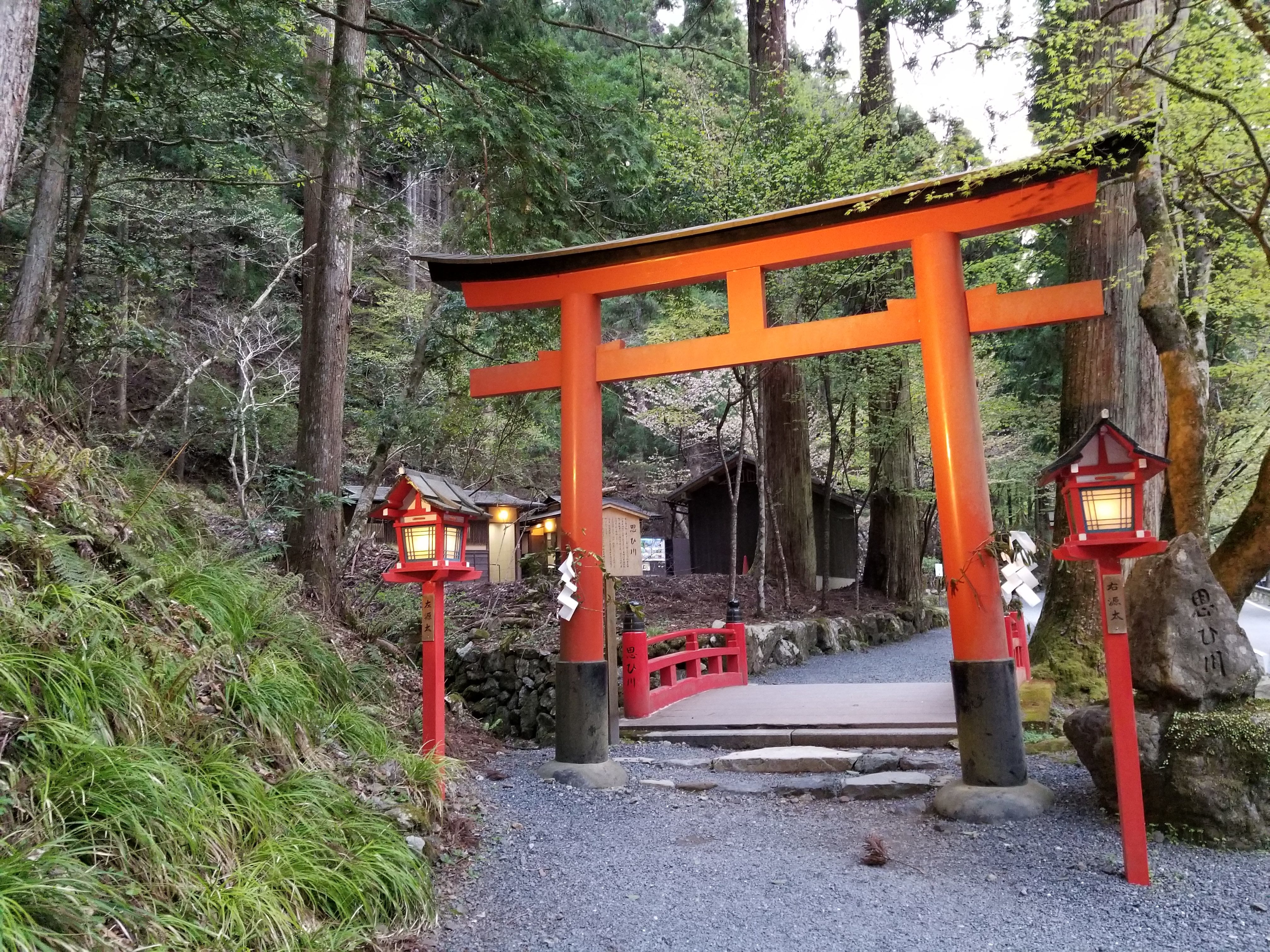

In the nineteenth century the system was rediscovered by a man called Dr Mikao Usui.
Reiki roots come from India having passed through Tibet and China to Japan where Dr Mikao Usui rediscovered it. He was a Christian headmaster and minister at Doshisha University in Kyoto, Japan.
One Sunday morning some of his students asked him whether he really believed the stories about Jesus’ miracles and especially his healings. Usui answered that yes, he did believe that Jesus performed miracles and healed people. The students said that they were too young to believe, they needed proof. Usui took his students literally and left his post at the university in search of the answers to these questions. Dr Usui wanted to explore his religion and went to the United States where he studied the Bible and Christian scriptures, but could not find the formula for how Jesus performed his healings. So he studied Buddhism as he knew the Buddha also healed the sick. Seven years later Usui returned to Kyoto in Japan where he learned Sanskrit, the sacred and ancient language of India where Buddha was born. Only then did he come across some symbols that described how Buddha did his healing. To achieve a healing power from inside, Usui decided to meditate and fast on the sacred mountain. Kurayama, seventeen miles from Kyoto.
Having climbed the mountain, Dr Usui settled down to meditate and fast for 21 days in the hope he would accomplish his task. It was on the last morning just before dawn that he saw a flickering light on the horizon that came closer and closer. Dr Usui became quite frightened, but he was brave and faced up to this bright light which as it got close it turned into a white beam that hit him between the eyes. It was so powerful that Dr Usui fell down, unconscious. When he came round, he looked up at the sky full of all the colours of the rainbow dancing in front of his eyes. Then the sky turned into what looked like a huge white screen showing the symbols that he had seen in the Sanskrit scriptures written in gold letters. As they vibrated in front of him, their use and meaning were transmitted to him and they seemed to say Remember, remember, remember!
When Dr Usui came to, he was filled with light and energy even though he had fasted for 3 weeks. This was the first sign for Dr Usui that he had received something on the mountain. He was so excited that in his haste coming down the mountain, he stubbed his toe so badly that it was bleeding. Automatically he put his hand over his toe and the bleeding and pain went away. For Usui this was the second miracle of the healing energy of Reiki.
Further down the mountain, Usui came across an outside snack bar so he ordered a traditional Japenese breakfast. The owner advised him to just have something simple to break the fast gently, but Dr Usui insisted on a full meal. When the old mans grand daughter came with his breakfast, he could see the girl had been crying and that her face was swollen. She told him she had toothache from an infected tooth, and when he placed his hand over the aching tooth the pain went away almost immediately. This was the third proof of the Reiki energy and the fourth miracle for Dr Usui was the fact that he could digest his whole breakfast without getting indigestion!
This description is from the book and quoted.
While in the states, I became interested in Reiki and pursued investigating. I was open to learning if this healing technique was valid in modern medicine. I was surprised to learn that many doctors and medical staff perform reiki prior to surgeries and follow ups in healing.
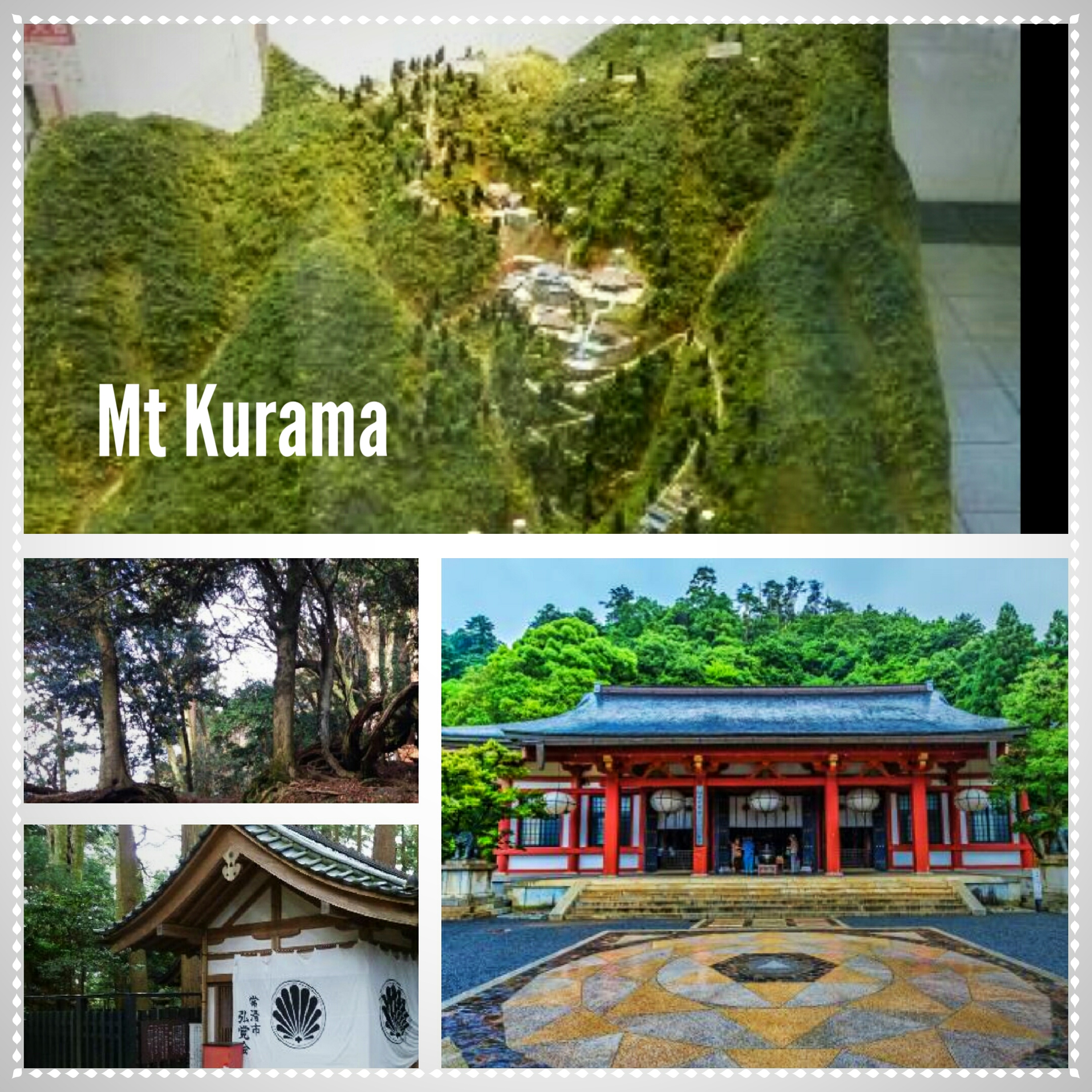
I have been busy traveling and not able to post as often as before. I just have to tell you about my latest adventure. Traveling took me to Japan. I experienced from a local’s view. I stayed in a small fishing village called Taiza. It is right on the coast of the Sea of Japan and at night you heard the waves hitting on the rocks. The sunrises are spectacular. The weather was a perfect 72 degrees with sunshine. Memories of this trip are Japanese drink a lot of saki. And they love their raw foods. Luckily for me, they have 7/11 stores in every town, even the little towns and I was able to find chicken nuggets.
The highlight of my trip was Mt. Kurama. I developed an interest the study of Reiki. More, reiki was sent to me. A friend of mine, who is a retired NASA researcher, who now is earning his degree in transpersonal studies, to add to his bachelors in Foreign Service introduce it to me. He had traveled extensively to Japan during his career with NASA and at dinner, we were discussing beliefs and faith and the subject of reiki came up.
What is reiki ? The word reiki means light and energy. In a nutshell, it is the energy of the cosmos and the energy of ourselves. It is healing practice that is passed down from one master to another. I became interested.
Now why would I want to go to Mt Kumara ? The master of Reiki, Dr Mikao Usui , climbed Mt. Kurama and found a spot to meditate for 21 days. He went to find spiritual guidance and enlightenment. He was disappointed as he felt nothing life altering . On the 21st day, he decides he would leave the mountain and while going down the mountain, he stumped his toe. As he was checking the wound and touching it, it started to heal. He felt energy through his hands. He did not understand and was in disbelief, but yet, he saw the healing.
Please follow this link to know more about Dr. Mikao Usui . It is an extraordinary story . The history of reiki along with the healing properties and even how it is used today is astounding.
So with my love of reiki and being in Japan, I was set to climb to the site where Master Usui sat for 21 days. The mountain is 1918 ft . The trek to the top was winding and shrines dotted the way all the way to the top. It took me three hours to reach the shrine of Master Usui. The roots of the majestic cedars are still there and the cedars are gorgeous. The wind blowing through them gives you feel of other worldliness. It is peaceful. Very peaceful. I meditated and gave prayers and the symbols of reiki to receive the energy of the universe.
The experience is another post in its self and maybe one day , I will share it. However this post is about the trek up the mountain. You know while climbing it is sacred. You sense the light and you sense the presence of the masters and monks before you, that have traveled this path for guidance. Once climbing it and coming back down, I am sure you will be changed. You will feel the vastness of our world and the power, ki , of the universe


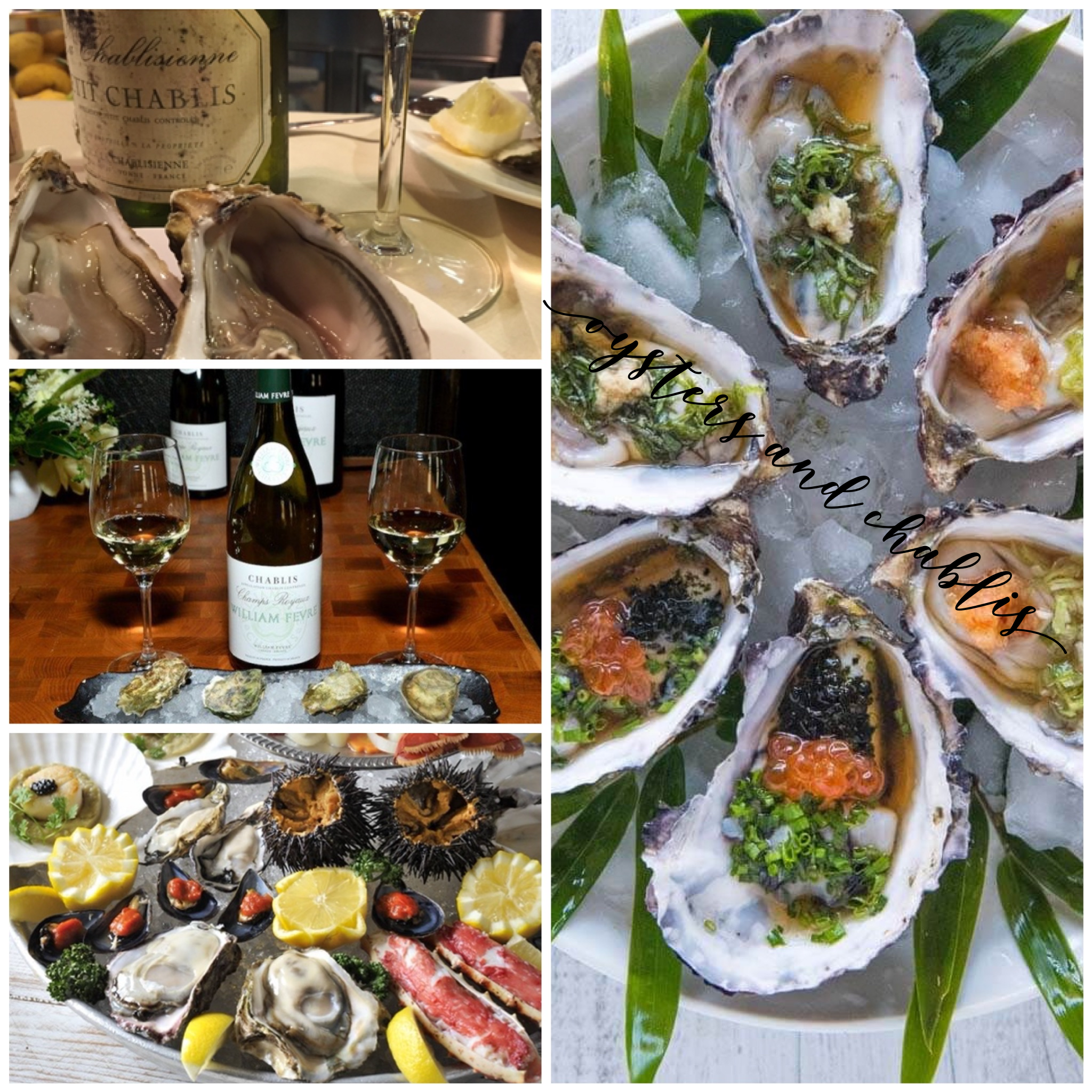
Have you recently dined on some delightful oysters at a restaurant and dreamt of indulging anytime you want? From Oct 1 till April 30, oysters are on the menu in Carolina. To truly enjoy seafood in a way that the locals do, oysters must be bought from a high quality and trusted seafood source, not a grocery store, but from the back of a pickup truck harvested that day by a local commercial fisherman. The next best to buy is a local market, where the fisherman takes his harvest to sell.
Countless types of oysters exist, differing in species, harvest location, size and taste, so tell the fisherman what you are looking, salty, briny, large, and small.
Just like most types of seafood, oysters offer great, well balanced nutritional value. Rich in omega-3 fatty acids, zinc, calcium, vitamin B-12 and much more, so consuming oysters helps aid in a healthy heart and stronger immune system. In addition, oysters are low in fat, calories and cholesterol, allowing you to never feel guilty after eating a dozen of the ocean’s finest little gems.
I can’t think of a better meal and when you add the sauce of your taste, a salad and wine, you are dining as Royalty. At least Carolina Royalty.
While visiting in Japan, I tried much of their cuisine. At a small restaurant, I saw oysters on the menu. I thought, why not? Their sushi is awesome. The tempura is delish. Surely, the oysters will be as delicious as at home.
There is something about the Japanese aesthetic which calms the soul. So I must admit that it was with some hesitation that I dived into the little Japanese garden they brought to the table.
Happily, I was able to reconcile my appetite with the aesthetic by tasting the Wabi-sabi. Wabi-sabi first. In terms of Japanese art and arrangements, is centered on the acceptance of transience. This view, rooted in Buddhist ideals, particularly values imperfection and incompleteness, and considers these qualities to be beautiful.
And it was beautiful. The oysters were delicious and, afterwards, looking at their empty shells, I saw the beauty of their transience – into my tummy!
I paired the dinner with Chablis. Chablis is a white wine that originates in the northern area of Burgundy. It makes sense that Chablis pairs well with oysters because there are fossilized oyster shells in the soil where its vines grow. This soil composition gives Chablis a distinctively mineral, flinty note. Chablis is made from Chardonnay grapes and has a more acidic, less fruity flavor than most white wines, which makes it ideal for drinking it with seafood.
It was dining experience to be remembered and the entertainment was the finishing touch. I will expound on the entertainment in a later post.
Once the wait staff realized how much I enjoyed the meal and realized that I was in Japan on a spiritual journey, they opened up on their own stories. They asked had I ever found a pearl in an oyster. And I could answer, yes! They began their stories on diving for oysters and oysters with pearls. It reminded me of another trip, while in Qatar of how the oysters and pearl market kept the country afloat until natural gas was imported from there.
We ended the meal with a kind of poetic feel. The newly made friend quoted me this:
“While oyster pearls are beautiful on their own, they also have a delightful significance. The idea that an irritant can be turned into a precious gem is the story which has made oyster pearls timeless. If there is an annoyance or a bother in your life such as the grain of sand in an oyster, simply coat it in a layer of love. Add another layer of patience and another layer of acceptance and continue on until that which annoys you becomes something beautiful.”
As always, Billie
May we all see the pearl side of life..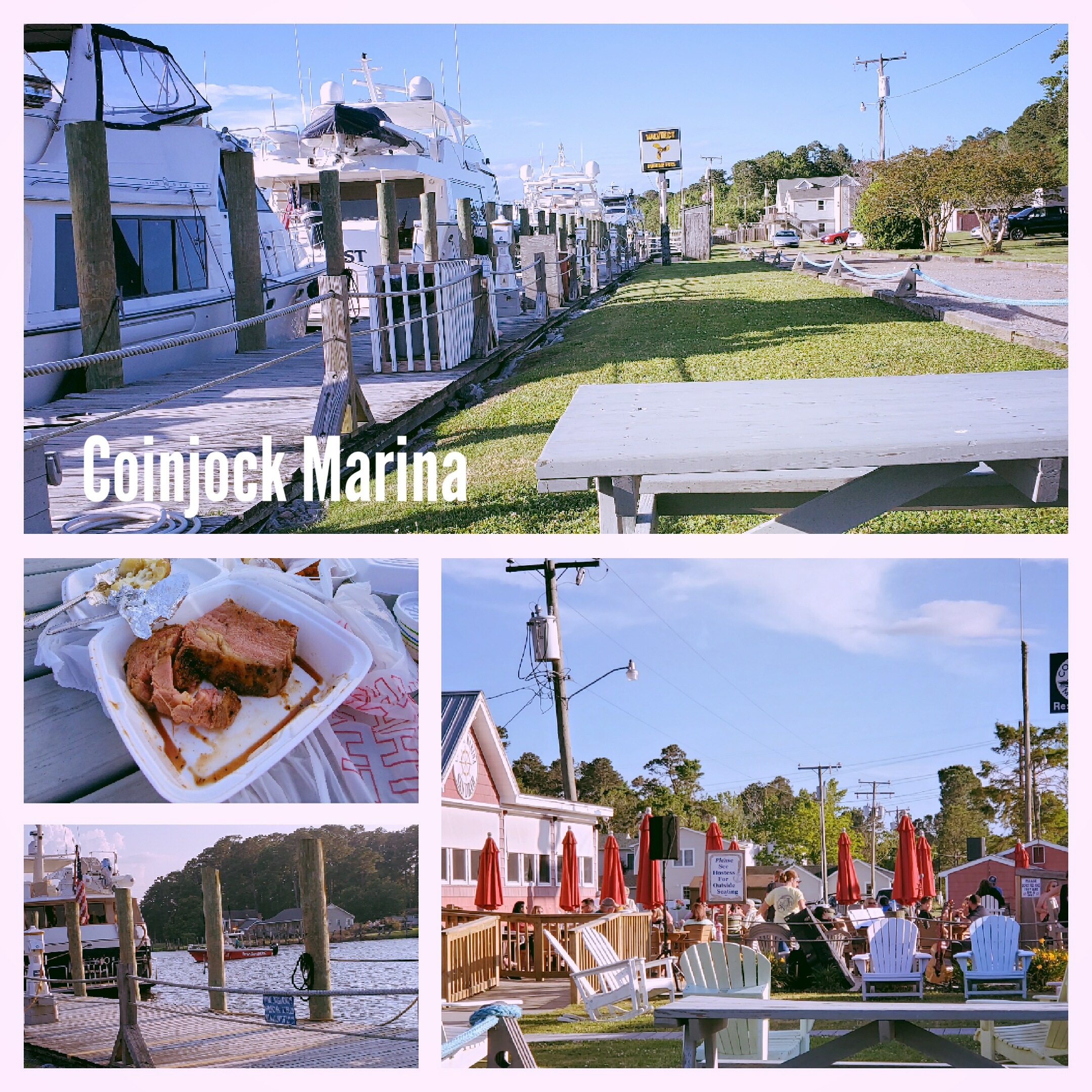

Long a coveted secret of the locals, Coinjock Marina Restaurant is a place where it feels like home the minute you arrive. The staff treats everyone like family. But let’s get to the prime rib, shall we?Coinjock Marina is the home of the 32-ounce prime rib. It’s specially seasoned and slow cooked to perfection, served with au jus, a baked potato, house salad, and a roll. It’s practically calling your name. Can you hear it? If 32 ounces is bigger than your appetite, the menu also includes a modest 16-ounce portion. For those who prefer to have some fresh seafood, the lunch and dinner menus each feature a variety of delectable choices. From sandwiches to platters, and from fried or broiled to stuffed, the seafood on the menu has a little something for everyone.
The restaurant is open seven days a week for lunch or dinner
The next time you’re headed in the direction of Currituck County, add this tasty spot to your must-visit list.
Located on the intercoastal waterway, this delightful hidden treasure is accessible by road and waterway. Sitting outside , along the sidewalk of the docked boats , you immediately unwind and simply enjoy the scenery.. Arrive close to sunset and enjoy a glass of wine and prime rib, as you watch the sun disappear and see the sliver of the moon faintly coming into view with silhouettes dancing on the waters.
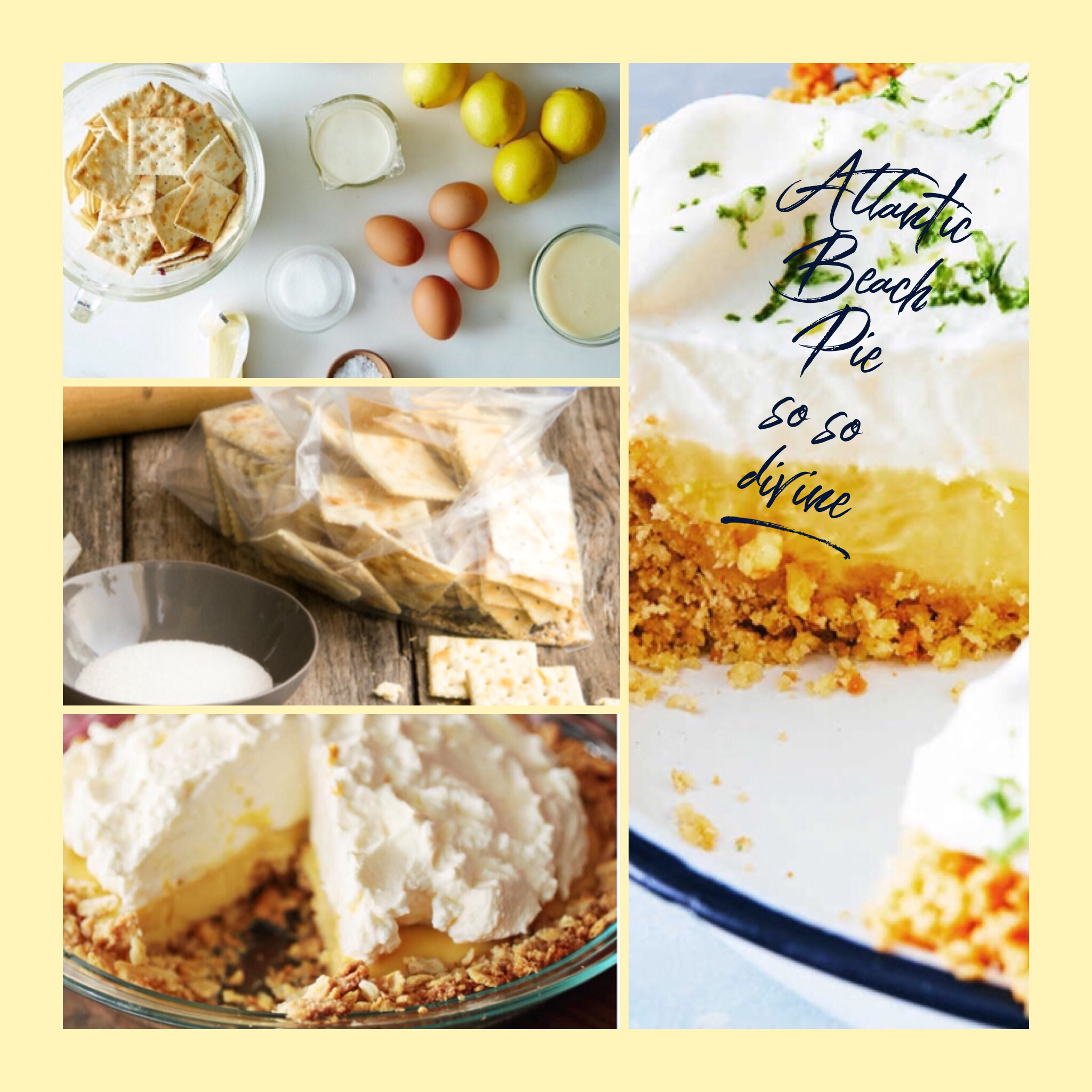
There are days for cake, and days for ice cream and cookies. But every now and then, you crave a different kind of finish to a satisfying meal. Enter Atlantic Beach Pie, a salty and citrusy staple of the North Carolina coast.
Katie Workman is the author of The Mom 100 Cookbook: 100 Recipes Every Mom Needs in Her Back Pocket. She says the Atlantic Beach Pie from Crook’s Corner restaurant in Chapel Hill, N.C., is the best pie she’s ever had. She shared a recipe for the dish for All Things Considered‘s Found Recipe series.
Workman describes Crook’s Corner as a “shrimp and grits, fried oysters and hush puppies kind of Southern food restaurant.” She fondly remembers enjoying a particularly large spread on one visit.
“We were having this amazing dinner, eating more than I think I’ve ever eaten in my entire life,” she says. “I had no intention of eating dessert, and then he sent out this pie.”
Atlantic Beach Pie has a filling similar to those in key lime and lemon meringue pies, but Workman says the crust is what makes it special.
The appeal is in the pie’s simplicity. It takes all of four seconds to make. In reality, it’s just 18 minutes to bake the crust and 16 minutes to cook the filling.
You don’t have to wait for the crust to cool. The only thing that takes any time is it has to cool enough when you’re done so you can cut it without making a mess. But it couldn’t be faster. Nothing hits the spot after a good meal of seafood and slaw than to top it off with a slice of Atlantic Beach Pie.



During the summer, I have created designs from the sea glass I collected while visiting in Japan. The prints and designs have been a hit and while
sharing them with friends and customers, they ask about my visit. Today’s post is just a small window of my stay. Japan is a compact area. The cities are tight with people and moving. Everything seems to be in motion. It is much too busy for a Carolina Girl. However when you travel outside of the larger cities, you find small fishing villages where the locals are still living as they did in 1940. They work their land and the sea is their source of income. They welcomed me with warm hugs and generosity. They realized I didn’t like raw foods and made sure all my food was cooked. They understood, I didn’t sleep on tatami mats and give me the sofa to rest. Their customs are much different from America, but the one thing that shines through is the pride of their heritage and history of each family generation.
I was lucky enough to have locals that showed me throughout the countryside as well as the big cities. We used google translate to converse and there was never a dull moment. We laughed, drank saki, danced and started everyday on a new adventure to show me their country. It was magical to me.


I have been busy traveling and not able to post as often as before. I just have to tell you about my latest adventure. Traveling took me to Japan. I experienced from a local’s view. I stayed in a small fishing village called Taiza. It is right on the coast of the Sea of Japan and at night you heard the waves hitting on the rocks. The sunrises are spectacular. The weather was a perfect 72 degrees with sunshine. Memories of this trip are Japanese drink a lot of saki. And they love their raw foods. Luckily for me, they have 7/11 stores in every town, even the little towns and I was able to find chicken nuggets.
The highlight of my trip was Mt. Kurama. I developed an interest the study of Reiki. More, reiki was sent to me. A friend of mine, who is a retired NASA researcher, who now is earning his degree in transpersonal studies, to add to his bachelors in Foreign Service introduce it to me. He had traveled extensively to Japan during his career with NASA and at dinner, we were discussing beliefs and faith and the subject of reiki came up.
What is reiki ? The word reiki means light and energy. In a nutshell, it is the energy of the cosmos and the energy of ourselves. It is healing practice that is passed down from one master to another. I became interested.
Now why would I want to go to Mt Kumara ? The master of Reiki, Dr Mikao Usui , climbed Mt. Kurama and found a spot to meditate for 21 days. He went to find spiritual guidance and enlightenment. He was disappointed as he felt nothing life altering . On the 21st day, he decides he would leave the mountain and while going down the mountain, he stumped his toe. As he was checking the wound and touching it, it started to heal. He felt energy through his hands. He did not understand and was in disbelief, but yet, he saw the healing.
Please follow this link to know more about Dr. Mikao Usui . It is an extraordinary story . The history of reiki along with the healing properties and even how it is used today is astounding.
So with my love of reiki and being in Japan, I was set to climb to the site where Master Usui sat for 21 days. The mountain is 1918 ft . The trek to the top was winding and shrines dotted the way all the way to the top. It took me three hours to reach the shrine of Master Usui. The roots of the majestic cedars are still there and the cedars are gorgeous. The wind blowing through them gives you feel of other worldliness. It is peaceful. Very peaceful. I meditated and gave prayers and the symbols of reiki to receive the energy of the universe.
The experience is another post in its self and maybe one day , I will share it. However this post is about the trek up the mountain. You know while climbing it is sacred. You sense the light and you sense the presence of the masters and monks before you, that have traveled this path for guidance. Once climbing it and coming back down, I am sure you will be changed. You will feel the vastness of our world and the power, ki , of the universe.


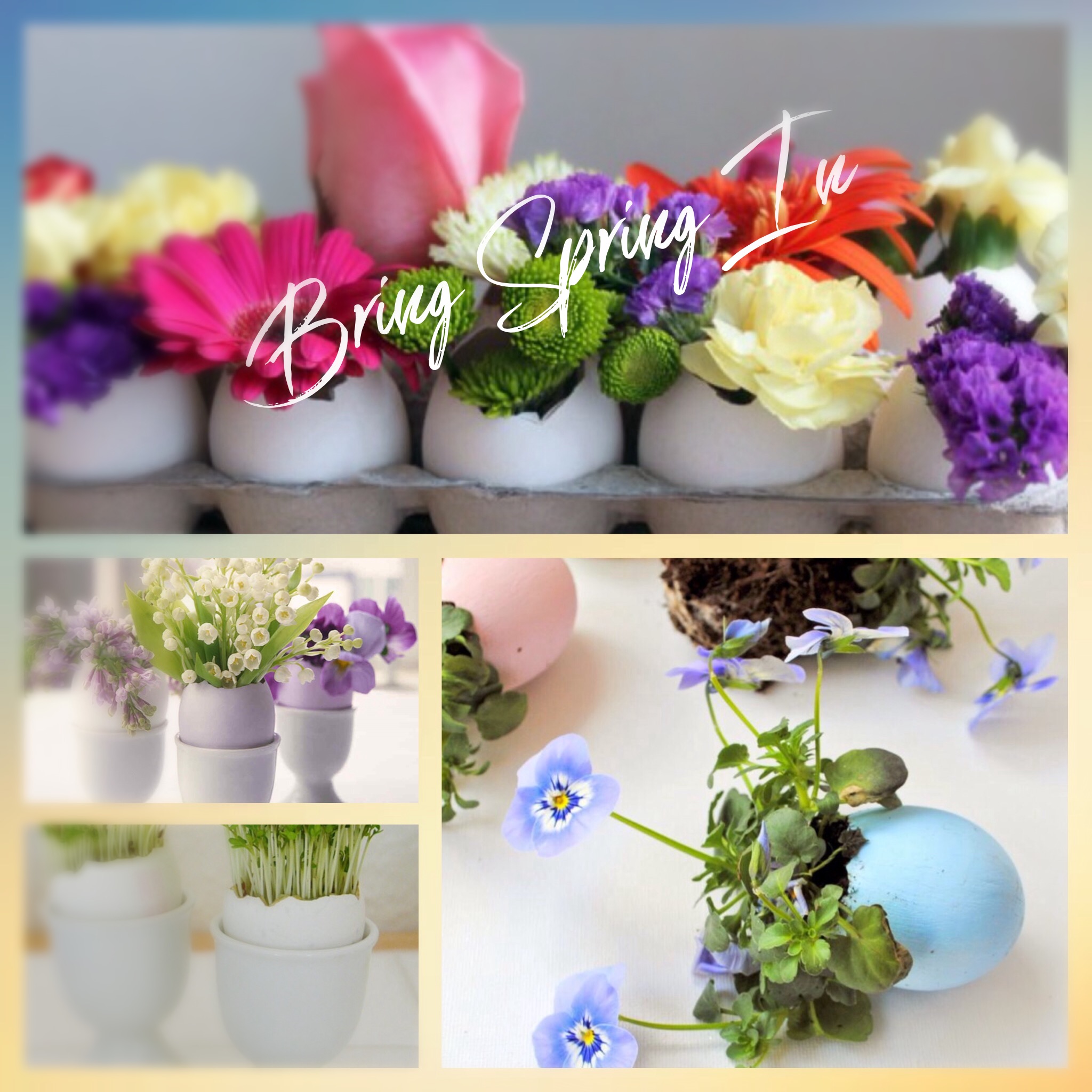

One of my favorite things about Spring and Easter are the beautiful organic decorations and arrangements and vignette to be made! And the sweet, little Easter Egg arrangement I’m sharing today is my favorite. So easy to make and just think of all the fun possibilities! Group them together down the center of the table and it makes a springtime centerpiece. Put one of these arrangements at each place setting and they become pleasant surprises for your guests! How fun! And don’t forget to tuck them into a spring vignette or shelves! Let’s make an easy Easter Egg arrangement!
What you need.
eggs flowers and egg cups.
If you want to color your eggs crack them first and then watercolor them.
Crack the egg about 1/4 the way from the pointy end. And gently break it. Wash it out.
Choose pretty, tiny flowers. I got these from my local grocery store and if your lucky enough, your spring trees are full of blossoms. The twigs of the First breathe of spring look so pretty mixed with daffodils.
 Spring is here and The Easter basket needs something special. Complete your basket with a gorgeous seaglass pendant. I made it myself. The seaglass is from the Sea of Japan. I have family who lives lives near the beach and they send me treasures from the sea they have collected . Check out my store and I hope you will find inspiration and beauty in what I’ve created. Wishing you a Happy Happy Spring. BeeBee Designs .